Computer Mouse Pad Embroidery Design
First Impressions: Sweet, Playful, and Surprisingly Versatile
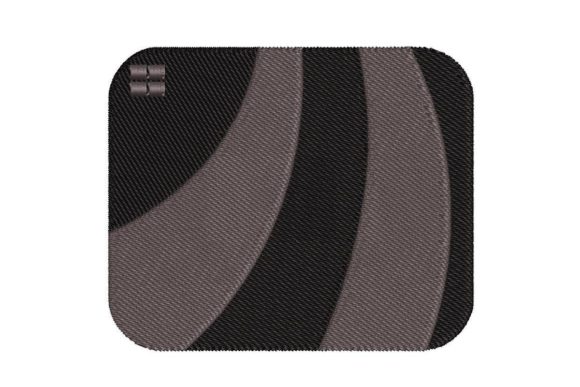
As an embroidery designer who’s tested hundreds of digital embroidery files for personalized gift shops, I’ll say it straight: Computer Mouse Pad landed with quiet charm—not loud novelty, but that gentle, handmade warmth customers instinctively reach for. It reads as playful yet polished, modern but not sterile—think “back-to-school joy” meets “keepsake-ready detail.” The line work is clean, the proportions balanced, and there’s just enough whimsy in the curves to feel intentional, not generic. It doesn’t scream “tech gadget”—instead, it whispers “thoughtful gift,” especially when stitched on soft cotton or linen. For baby embroidery, wedding gifts, or custom tote bags, that emotional resonance matters more than perfect symmetry.
Where This Design Truly Shines
Computer Mouse Pad isn’t just a novelty—it’s a flexible storytelling tool. I’ve already sketched mockups for several real-use cases:
- Baby embroidery: Stitched on a muslin swaddle or organic cotton onesie (with gentle stabilizer), it adds quiet personality—no overstimulation, just sweet, subtle recognition of early milestones.
- Wedding gift & family keepsakes: Paired with a monogram or date on a linen pillow cover or heirloom blanket, it becomes a lighthearted nod to shared hobbies or tech-savvy love stories—ideal for couples who met online or build apps together.
- Personalized towel & nursery decor: On a terry cloth kitchen towel or framed nursery wall hanging, it holds up beautifully at 3.5–4 inches wide—large enough to read, small enough to nestle beside other motifs.
- Etsy seller & craft fair appeal: As a small shop product, it stands out in listings because it bridges function and sentiment. Buyers don’t just buy a mouse pad—they buy a conversation starter, a memory anchor, a tiny piece of identity stitched into fabric.
Smart Placement Matters: Know When (and Where) to Stitch
This design shines brightest on stable, medium-weight fabrics—but like any machine embroidery design, it needs thoughtful pairing. Here’s where to proceed with care:
- Small lettering or fine details: While the core mouse pad shape holds up well, any optional text (like “My First Code” or “Ctrl+Love”) should be tested at your target size—tiny fonts blur on textured surfaces.
- Fabric texture & thickness: Avoid heavy terry or quilted blankets unless you use cutaway + tear-away stabilizer combo. On thick towels, stitch density may cause puckering—always run a test on scrap first.
- Stretchy or delicate items: Skip stretchy baby clothes (like ribbed knit bodysuits) unless you’re using lightweight mesh stabilizer and reducing top tension. Better suited for woven cotton, linen, canvas, or twill.
- Curved or uneven surfaces: Not ideal for baseball caps or curved tote straps—stick to flat panels like pillow fronts, towel hems, or blanket corners.
- Dark fabric & frequent washing: Use high-contrast thread colors (e.g., white or neon yellow on navy) and check how stitching holds after a gentle wash cycle. Dense fill areas may soften faster than outline stitches.
Why It Elevates Giftability—and Your Brand Trust
A personalized gift isn’t just about the item—it’s about the feeling it delivers. Computer Mouse Pad subtly signals attention to detail, intentionality, and warmth. When stitched cleanly on a handmade product, it tells your customer: *I didn’t just pick a clip art file—I chose something that fits your story.* That builds trust, especially for Etsy sellers and small shop owners competing on authenticity, not price.
In product photography, it performs exceptionally well: crisp lines translate clearly in natural light, and its balanced scale means it photographs beautifully both up close (showcasing thread sheen) and in lifestyle shots (on a desk beside coffee mugs or tucked into a nursery shelf). That visual clarity boosts buyer engagement—shoppers linger longer, click “add to cart” with confidence, and leave reviews like “even better than the listing photo!”
Practical Embroidery Notes You Can’t Skip
Before stitching your first customer order, treat Computer Mouse Pad like any professional-grade embroidery file—test, verify, refine:
- Always test on scrap fabric—same type, same color, same stabilizer layers you’ll use on the final piece.
- Confirm hoop size compatibility before loading. If your machine requires re-hooping mid-design, plan for alignment marks.
- Review stitch density—especially in filled areas. High density looks rich on stable fabric but risks stiffness on lightweight cotton.
- Match thread colors to your brand palette or customer preference. A soft mint or warm terracotta can shift the entire mood from playful to elegant.
- Compare light vs. dark fabric mockups—some digitizing choices favor contrast; others rely on subtle tonal shifts.
- Check small details post-stitch: Are corners sharp? Do outlines sit cleanly atop fills? Trim stray threads gently—don’t rush this step.
- Verify commercial licensing before selling finished products. Since this is a digital embroidery file marketed for personalized gift use, confirm whether resale rights are included—or if you’ll need a separate commercial embroidery license.
Final Thought: More Than a Gadget Motif
In a sea of generic icons and overused florals, Computer Mouse Pad offers something rare: relevance without trend-chasing, charm without clutter, and flexibility without compromise. Whether you’re designing baby embroidery for a new parent who codes, curating wedding gifts for a couple who met in a hackathon, or building an Etsy shop rooted in modern handmade values—this machine embroidery design earns its place in your collection. It’s not just about completing a set. It’s about completing a feeling.