One: The First Stitch of Every Season
A Designer’s First Look: Clean, Confident, and Quietly Festive
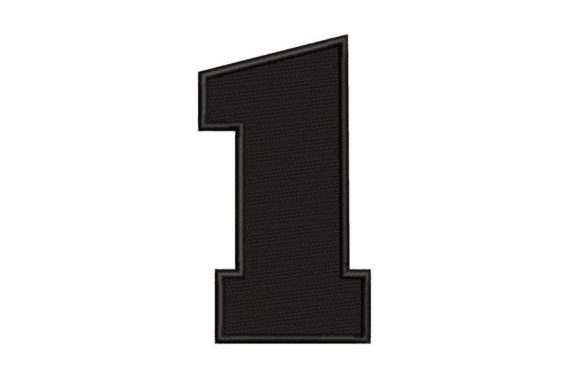
When I opened One for the first time, I didn’t see just a single-word design—I saw a seasonal anchor. It’s simple, yes, but its strength lies in how effortlessly it carries mood: warm and grounded for fall, crisp and hopeful for Back To School, quietly celebratory for New Year’s, and tenderly sentimental for baby milestones or wedding keepsakes. The lettering feels modern yet approachable—no sharp edges or excessive flourishes—so it reads clearly at small sizes and holds up beautifully on textured fabrics like terry cloth or linen. It doesn’t shout “holiday!”—it invites quiet recognition. That makes One unusually versatile: cozy without being rustic, elegant without feeling formal, playful without leaning into cartoonish charm. For holiday embroidery or seasonal embroidery, that balance is gold.
Where One Shines in Real Holiday Product Lines
I’ve already sketched out six product drops using One—and every one solves a real shopper need:
- Sweatshirt embroidery for family matching sets (think “One” on toddler tees, parent hoodies, and teen joggers—subtle unity, no clichés)
- Tote bag design for teacher appreciation bundles (paired with chalkboard-style fonts or minimalist apples)
- Kitchen towel embroidery as part of a “First Home” gift set—stitched in soft sage or terracotta thread for instant warmth
- Pillow cover accents for nursery or guest room decor (“One” centered on a linen square beside a tiny embroidered moon or star)
- Embroidered patch sewn onto denim jackets, backpacks, or aprons—ideal for craft fair displays where clean visuals stop scrolling hands
- Personalized gift pairing: stitch One alongside a name or date on baby blankets, baptism gowns, or graduation caps
On Etsy, One performs especially well in listings with strong printable mockups—customers instantly picture it on their favorite fabric. And because it’s not tied to one specific holiday, it stays relevant across October through January, reducing inventory risk for small shop owners.
Where to Use One Thoughtfully—Not Everywhere
Even strong designs have limits—and skipping these checks can cost time, thread, and customer trust:
- Small hoop sizes: If your smallest hoop is under 4”, test stitch density first. Tight spacing may cause puckering on lightweight cotton unless stabilizer is layered correctly.
- Dark fabric: Always test thread colors—not just for contrast, but for richness. A charcoal gray thread may vanish on black twill; switch to navy or deep plum for clarity.
- Thick towels or textured weaves: Use cutaway stabilizer, not tear-away. The design’s clean lines rely on stable ground—otherwise, stitches drift and lose definition.
- Stretchy garments: Avoid placing One directly over shoulder seams or side panels unless you’ve tested on scrap knit fabric with basting stitches.
- Metallic thread: Only use if the embroidery file supports low-density stitching. Metallics amplify tension issues—better to reserve for accent elements, not primary lettering.
Why One Builds Seasonal Trust—and Sales
Holiday shoppers don’t just buy products—they buy emotional resonance. One taps into universal moments: the first day, the first step, the first home, the first holiday as a family. That makes it deeply giftable. When customers add One to a handmade gift, they’re not just personalizing—they’re honoring significance. That lifts perceived value, encourages bundling (e.g., “First Day of School” tote + pillow + embroidered notebook cover), and strengthens brand consistency across your seasonal embroidery collection. Visually, its clean silhouette ensures instant recognition—even in Instagram Stories or Pinterest pins. No decoding needed. Just calm, confident presence.
Designer Notes You’ll Want Before Your First Production Run
Before stitching your first holiday batch, here’s what I always do—and recommend you do too:
- Test thread colors on both light and dark fabric swatches—light affects perception more than we admit
- Check stitch density against your machine’s recommended max for the fabric type (especially critical for kitchen towel embroidery or sweatshirt embroidery)
- Confirm hoop size compatibility—don’t assume “multiple formats” means all fit your standard 5x7” hoop
- Match stabilizer to fabric texture: cutaway for knits and terry, tear-away for smooth cottons, fusible for lightweight linens
- Create realistic mockups—not just digital, but stitched-on-fabric photos—to preview how One lands on real items like aprons or pillow covers
- Zoom in post-stitch: verify that interior curves and negative space stay open and legible, especially at smaller sizes
- Plan full-color palettes in advance—One pairs beautifully with muted earth tones, soft pastels, or monochrome neutrals
- Review commercial licensing terms before selling finished product—this is non-negotiable for Etsy sellers and small business owners using digital embroidery files
Remember: simplicity isn’t minimalism—it’s intentionality. One earns its place in your seasonal embroidery lineup not by doing more, but by doing exactly what it promises: marking the meaningful first, clearly and kindly. Whether you’re launching a Back To School capsule, prepping for holiday markets, or building a year-round line of personalized gifts, this machine embroidery design delivers quiet confidence—stitched, steady, and ready.