Old English Font JKL: Timeless Craft Fair Charm
First Impression: Elegant, Distinctive, and Instantly Recognizable
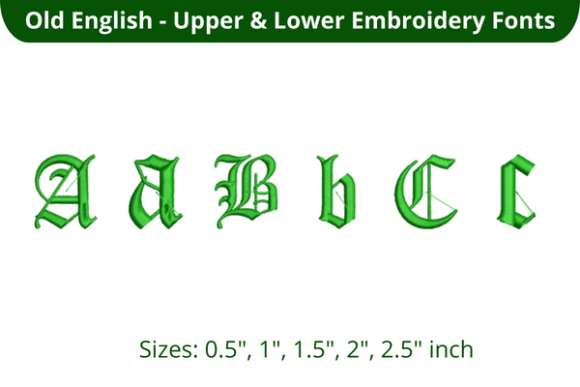
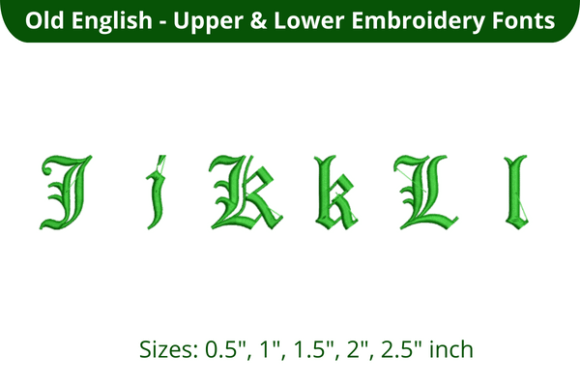
As an embroidery designer who’s curated over 200 craft fair booths—and sold thousands of handmade products—I’ll say it plainly: Old English Font JKL lands with quiet authority. It’s not cute. It’s not trendy. It’s elegant, decorative, and deeply handmade-feeling. That Old English style carries weight—think heirloom tea towels, monogrammed aprons for bakers, or personalized graduation caps. It reads as premium without shouting, which is exactly what draws buyers at a crowded market: a pause, then a step closer.
Where It Shines on Craft Fair Products
This isn’t a font that works everywhere—it thrives where intentionality and craftsmanship are visible. Here’s how it performs across your most common handmade product categories:
- Tote bag design: Stunning as a centered 3–4 inch monogram or name on natural canvas. The flourishes catch light beautifully, and customers consistently stop to trace the letterforms with their fingers.
- Apron embroidery: Ideal for left-chest placement—especially on linen or denim aprons. Paired with a simple herb sprig or tiny crown motif, it elevates a functional item into a boutique-ready gift.
- Tea towel embroidery: Works best when stitched in high-contrast thread (e.g., charcoal on ivory linen) and placed near the hem or corner. Avoid centering on heavily textured terry—we’ll get to why shortly.
- Embroidered patch: A standout choice for back-to-school bundles—think “Jade • Grade 10” on a woven patch sewn onto backpacks or denim jackets. Its strong outlines hold up well in small-scale patch production.
- Pillow covers & pouches: Perfect for subtle branding or gifting (“The Johnsons • Est. 2023”). At 2.5–3 inches tall, it reads clearly without overwhelming delicate fabrics like cotton sateen or chambray.
What Holds It Back (And How to Work Around It)
Let’s be practical: Old English Font JKL is not a one-size-fits-all machine embroidery design. Its beauty lies in its detail—and that’s also its limitation.
Dense stitch areas and fine serifs demand attention. On thick fabric (like canvas tote bags), dense fill can cause puckering if stabilizer isn’t layered thoughtfully. On textured towels, tiny interior curves may blur or disappear entirely—so always test on your exact fabric before cutting production runs. And on curved cap surfaces? Stick to single-line or simplified versions if available; full Old English lettering loses legibility fast on rounded crowns.
Dark fabric requires careful thread color planning. Metallic or light-toned threads often lack enough contrast to define those delicate strokes—so lean into matte black, deep navy, or burgundy thread instead of silver or gold unless you’re using a high-thread-count stabilizer and reducing density.
Photography, Listings, and Online Appeal
This font photographs exceptionally well—for both in-person booth displays and Etsy listings. Its strong silhouette and rhythmic spacing translate cleanly to printable mockups and digital embroidery file previews. Unlike minimalist fonts that vanish in thumbnail views, Old English Font JKL commands attention even at 200px width. That visual clarity boosts click-through rates on platforms where shoppers scroll fast.
For Etsy sellers and small shop product lines, it supports brand consistency: use it across matching sets (e.g., embroidered tea towel + matching pouch + pillow cover—all with the same family name). That cohesion builds trust and encourages bundle purchases.
Production Realities: Speed, Scale, and Smart Batch Planning
As a commercial embroidery designer, I ask two things first: “Can I produce this at scale without sacrificing quality?” and “Will it hold up under booth lighting and customer handling?” For Old English Font JKL, the answer is yes—if you respect its needs.
It’s not a quick-stitch font. Expect longer run times per piece due to intricate underlay and satin stitch transitions. But that investment pays off: finished products feel elevated, justifying higher price points ($28–$42 range for totes/aprons vs. $18–$26 for simpler fonts). Batch production is absolutely doable—just confirm your hoop size accommodates the full word comfortably (no re-hooping mid-design), and inspect stitch density before loading ten files at once.
Designer Notes You Can’t Skip
Before you cut your first production run:
- Test the embroidery file on scrap fabric—same type, same dye lot, same wash treatment—as your final product.
- Check thread contrast under natural light AND warm booth lighting. What looks bold in daylight may fade under string lights.
- Review letter spacing. Some Old English fonts crowd tight letters (like “JKL” itself)—adjust kerning if your software allows, especially for names.
- Confirm hoop size compatibility. If your largest hoop is 5x7”, avoid stitching full quotes—stick to names, initials, or short dates.
- Inspect stitch density. High-density fills on lightweight fabric = stiff, unyielding results. Consider reducing density by 10–15% for soft goods like pouches or pillow covers.
- Use the right stabilizer: medium-weight cutaway for structured items (caps, patches), tear-away with light spray adhesive for tea towels.
- Create at least one real mockup—not just a digital preview. Drape it, fold it, hold it up beside other fonts in your lineup.
- Compare fabric colors side-by-side. Ivory, oat, and stone all read differently with the same thread.
- Verify commercial licensing. Since this is positioned as a machine embroidery design for handmade product use, confirm whether resale of finished items is permitted—this is non-negotiable for craft fair sellers and Etsy sellers.
Final Thought: A Signature, Not Just a Font
Old English Font JKL isn’t background decoration—it’s a signature. It tells customers, “This was made with care, chosen with purpose.” In a Back To School season flooded with cartoon apples and neon slogans, it stands apart with sincerity and substance. Use it where craftsmanship is visible, where buyers slow down, and where your booth invites touch, not just glance. That’s how handmade products become keepsakes—and how craft fair tables turn into loyal followings.